Donate
Diocese of Leeds Justice and Peace Commission (1)

26 Mar – Conversations of Hope

by Kathy Shaw, SPARK Project Manager

Earlier this month I was invited to join a meeting with the Leeds Muslim Youth Forum to talk about our work and ways to counter the divisive messages our young adults receive on social media and elsewhere. This ties into our SPARK Conversations of Hope and also continues the themes of Pilgrims of Hope 2025.

Spark banner I had a lively conversation with about 15 young people, topics such as responding to racism and challenging injustice and poverty. One member of the group gave me inspiration in her explanation about the best way to engage people in our target age group.

Respectfully, she assured me that older people are happy sitting round a table and talking about social justice issues, but the best way to catch interest with the under 30s is to focus more on visual messaging.

The group gave me examples of effective TikTok reels and are in the process of completing a documentary and film project so are very tuned into this.

On Friday 13th March a group of people, brought together through a belief in inter-faith work, gathered at St Richards’s church in Seacroft hosted by Reverend Anne Russell. The evening was part of a wider community response to this being an area targeted by Reform and where there is an active campaign against people seeking asylum who are accommodated in this parish.

Cassandra James The wonderful Cassandra James brought a group from St Augustine’s Parish in Harehills and by the end of the evening there were nearly 60 young people and their leaders from around the local area. Group discussions focussed on current concerns and aspirations for young people and an activity around interfaith connection, what role can young people play in reducing prejudice, what helps people from different faiths build trust with each other. As the youngest member of our group wisely told us, “In all our faiths, there is love”. We could all experience that truth throughout this evening. I was grateful to be there and hear the wisdom of young people who spoke with confidence about the importance of their faith and what Ramadan and Lent means to those who share these beliefs.

A young person from a local sports group led the call to prayer (Azaan) and after prayers the Iftar, where we all shared wonderful food together. It was a memorable and inspiring evening. Connections and friendships were made and hopefully will be sustained, as we would love to do another similar event, maybe something outdoors in the summer.

iftar

18 Mar – St Oscar Romero: A Lenten Saint

By Joe Burns, Commission Member

St Oscar Romero: A Lenten Saint

This was the theme of Todd Walatka’s talk given earlier this week hosted at the City Campus of Leeds Trinity University under the banner of SPARK Social Justice.

Using quotes from St Oscar’s homilies, interspersed with a few from Pope Leo, Todd explored how St Oscar used his preaching as a way of promoting the key traditional themes of Lent: Prayer, fasting and Almsgiving.

Prayer was a recurring theme in his preaching and he was always exhorting people to ‘give glory to God’. This is a common enough sentiment in Church circles. It maybe conjures up pictures of being in churches with incense burning and people on their knees. However, his vision was much more concerned with seeing the Glory of God through his encounters with other people – especially the rural peasants (campesinos) and recognising that ‘the Glory of God is the human person ‘fully alive’.

20260311_195428 Fasting is the moment to review your life ‘and judge things, to see if you value anything more than God’. Do we value money, possessions, power more than God?

Almsgiving he talks about in terms of ‘experiencing ourselves as brothers and sisters’. Time and again, St Oscar talks about deepening our understanding of what it means to be ‘fully human’. The way to do this is through reflecting on our understanding the full humanity (c/f dignity) of our brothers and sisters.

Todd related the most striking example of this, given by St Oscar during the homily at the funeral of his assassinated friend Rutilio Grande SJ. In that homily, Romero directly addressed the killers with the striking phrase “queridos asesinos” — literally “dear murderers” — as part of a call to conversion, reconciliation, and justice.

He then goes on to speak about forgiveness, the need for conversion, and the Church’s refusal to respond with hatred. The ability to do that must give all of us pause for thought.

A painting of St. Oscar Romero and Fr. Rutilio Grande, SJ, in the rectory of San Jose Church in Aguilares, El Salvador. A painting of St. Oscar Romero and Fr. Rutilio Grande, SJ, in the rectory of San Jose Church in Aguilares, El Salvador. Todd’s talk covered many other points in a thoughtful and reflective way. There were about 20 people there, and it was a shame there were not more, as this really was a talk that made you sit up and think more about some of the things that St Oscar said – and how we, ourselves think, about other people.

It was an inter-generational event with university students as well as retired people coming along. One SPARK community member commented

“I thought it would be more academic, but it was inspirational.”

Another said

“I came along but didn’t think I would meet people who are saying out loud what I have been thinking in my head.”

closer-up of Todd If you are interested to read more (and I would encourage you in this) then we will be making Todd’s talk available in a few weeks as a pamphlet. SPARK are grateful to Leeds Trinity University for making their premises available to hold this event.

Equally, we are grateful to the Romero Trust and the indefatigable Julian Filochowski for once again bringing the Romero Lecture to Leeds.

Tolerance, It’s Important

by Sara Forrest, Commission member

Our parish are donating to Aid to the Church in Need for their work in Pakistan.  It upset me because when I lived in Pakistan 60 years ago it seemed to be a tolerant place. I didn’t feel threatened and wasn’t bullied or name called at school because I was different from the other pupils. I wondered what had changed.

As I pondered the situation I remembered that we didn’t stay for our allotted two years because, while we were enroute for a visit to UK, India shelled Karachi where we lived. I was 7 and was most worried that I was missing out on the excitement of hiding under the table like my school friends! I know better now.

I then heard people talking about the introduction of TV into the House of Commons and the consensus seemed to be that people now speak there to get clips per their social media and the days of debates and MPs who spoke for long periods and successfully changed minds had gone. Then I read an article on how people who used to get ‘lost in a book’ have found it difficult to do so now that they’re used to short reads on the internet. The solution was to spend 20 minutes a day for a few weeks reading a book in order to redevelop the skill and engage deeply with the text.

Maybe those snap like/dislike judgements mean that we are used to snap judgements and to discount those who are different by appearance or behaviour? Maybe the fear of embarrassment, because of that difference, holds us back from finding out what we have in common?

Sadly the tension between India and Pakistan remains. Injustices from their Colonial past and a lack of political will to forge a more co-operative neighbourly relationship drive stories that feed fear. It is all too common for politicians to use fear of difference to create a cohesive force that increases their hold on power and the oppression of their people.

Perhaps this Lent we could carefully contemplate how we behave towards those who we perceive to be different and why that is so? If we all do that and develop our tolerance and perhaps curiosity, about those who are different we can improve the peace in our local community.

Perhaps when we se something that makes us angry on the internet we could take a step back and think about who might be influencing the post? Maybe they want to channel your anger to gain a bigger following?  Who gains from the negative emotion they create?.

There are many Gospel stories about Jesus making a point of reaching out to those who were poor, or different and those who were in dire straits, we can follow his good example especially during Lent.

14 Feb – Conversations of Hope

by Kathy Shaw, SPARK manager

Earlier this month I was invited to join a meeting with the Leeds Muslim Youth Forum to talk about our work and ways to counter the divisive messages our young adults receive on social media and elsewhere.  This ties into our SPARK Conversations of Hope and also continues the themes of Pilgrims of Hope 2025.

I had a lively conversation with about 15 young people, topics such as responding to racism and challenging injustice and poverty.  One member of the group gave me inspiration in her explanation about the best way to engage people in our target age group. 

Respectfully, she assured me that older people are happy sitting round a table and talking about social justice issues, but the best way to catch interest with the under 30’s is to focus more on visual messaging

The group gave me examples of effective TikTok reels and are in the process of completing a documentary and film project so are very tuned into this. 

Following on from my visit, we are looking at inviting young adults and friends to an Iftar on 6th March.  This is the evening meal at sunset that breaks the daily fast during Ramadan. 

Lent and Ramadan will both begin on 18th February, a time to celebrate community and spiritual connection; the 6th  March has been chosen as a date near to International Women’s Day.

Save the date – 6th March!  Details to follow.

1 4

9 Feb – Lent: a spiritual springtime

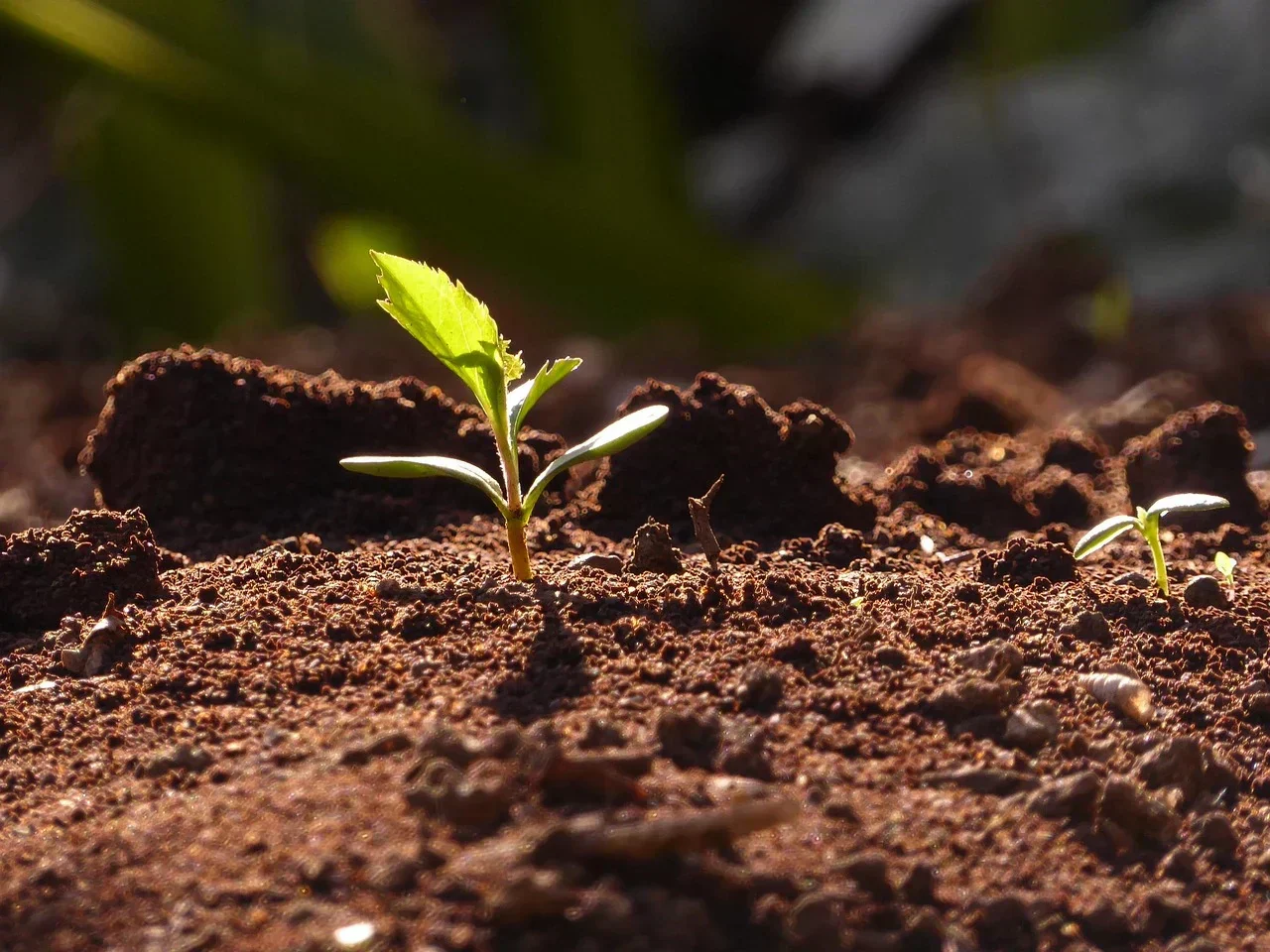
The word Lent finds its roots in the Old English word lencten, meaning "spring." It describes that quiet, persistent season when the days begin to lengthen and the earth slowly wakes from its winter sleep.

We began this journey with a stark reminder: "Remember that you are dust." While these words can feel bleak, they contain an invitation to wonder. We are intimately connected with the earth and everything on it – we are all members of one human family sharing one common home, all beloved creations of God. As we acknowledge our interconnectedness and reliance on God, we create space for new growth.

In the field and garden, this is a vulnerable, expectant time. Seeds are sown in an act of quiet trust—that a tiny grain, buried in the cold, dark earth, carries within it the potential for new life. Our Lent springtime calls us to such faith: that the seeds of hope and love that we plant even in the hardest soil will take root and blossom.

Plant_Sprouting_2000x Across the world our neighbours are also planting seeds. Yet climate change is making it harder for them to grow enough to eat. In parts of Zimbabwe there is too little rain. In parts of Bangladesh and South Sudan, there is too much. The result is the same – seeds fail to grow, plants die, and families go hungry.

Our fasting, giving and prayer in this season remind us of our dependence on God and our longing for a world in which all people flourish. This Lent, as the light lengthens, may we stand in solidarity with our sisters and brothers throughout the world, knowing that God can work through us to bring new life.

43168 Find out more about CAFOD’s Lent appeal is helping our global neighbours grow food in climate-resilient gardens: https://cafod.org.uk/lent

Lent Reflection Ideas

by Sara Forrest, Commission Member

Looking forward to the start of Lent, I thought I would suggest some ideas for reflection and prayer. The first is a book, by James Martin SJ. My other suggestions are musical, music can engage us on a deeper level and there is a long tradition of folk music voicing the concerns and feelings of the ordinary people. Such songs can give us knowledge and help us gain new insight strengthening our contemplation and prayer.


This long book tells the story of Jesus' life using the four Gospels and overlays the story with the tale of James’ pilgrimage to the Holy Land visiting the places where it happened. His reflections on the Gospels are thought provoking. I especially liked his views on Martha and Mary because as a strong believer in Christianity being about both prayer and reaching out and helping the marginalised I have often heard homilies that talk about prayer only.

It is an easy read, as was his book on Building A Bridge. I may also look out for his The Jesuit Guide to (almost) everything too.


The Vietnam War inspired many American writers in in 60s and 70s. Tom Paxton’s "Peace Will Come" is itself a prayer. Other Paxton tracks that may inspire are "The Thought Stayed Free", "When Princes Meet", "There Goes The Mountain", "The Death of Stephen Biko". Last year he wrote "No Kings Here"


The Gospel tradition has produced many tracks and Edwin Starr's "War" was a soul hit in the 60s.  I was given Mica Paris and the Soul Sanctuary Gospel Choir CD Gospel and can recommend that. My favourite tracks are "Oh Happy Day", "Something Inside So Strong" and "Mamma Said".


More recent tracks could be:
‘One Voice’ by The Waillin’ Jennies. This has been covered in support of causes like Me Too.


UK tracks include:
Coope, Boyes and Simpson: "If We Were Them",  "Children of Palestine", "Anthem for a Planet’s Children" and "The Avenging Angel" . "PET Song" is a light-hearted take on the serious issue of plastic water bottle waste.


"Canaan’s Land" a traditional English folk song recorded by Kate Rusby


Kathryn Roberts & Sean Lakeman recorded "Tomorrow Will Follow Today", "52 Hertz" on the overfishing of Wales, and "Fear Not the Mountain" a song of hope.


Sadly the 2001 BBC Radio 2 ballads looking at social issues of the day are not available through BBC Sounds but may be available through some streaming services.  Topics included: de-industrialisation, homelessness & travellers, Northern Ireland Troubles, HIV Aids.  "Different Drums" by Cara Dillon is my favourite.


Choral fans will have their own favourites but "Ubi Caritas" is my favourite.  There is plenty to choose from.


So this Lent why not listen and reflect on something different?

27 Jan – CAFOD Lent Appeal

CAFOD Lent Appeal: help families put food on the table

This Lent, as we deepen and enliven our faith, we can reflect on Jesus’ call to “love your neighbour as yourself” (Mark 12:31) and pray that we can give more help to families facing hunger today due to floods and droughts.

Christine Allen, Director of CAFOD says: “Last year I travelled to South Sudan. I would like to tell you about one person our local experts have been working with there, a young mother named Rejoice. Rejoice fled conflict twice to protect her children. Imagine losing everything and starting from scratch, only to be forced to do it all again. Then, after all she’d been through, Rejoice’s new home was hit by severe flooding.”

Rejoice - South Sudan “The farmlands were submerged underwater,” Rejoice told us. “Everything including livestock was completely destroyed.”

With support from our local experts, Rejoice and her community created floating gardens. These are simple beds that rise above floodwaters, so amazingly, they can grow food even when the land is underwater.

Whether there is too much rain, or too little, crops around the world are being destroyed. In Zimbabwe, drought left Shorai and Hamunyare with nothing. They told us how the solar-powered water pump, funded by donations from people like you, allowed their community to grow a thriving, drought-resistant eco-garden. Now they can feed their family year-round and share food with neighbours. Shorai reflected that, “A good neighbour is someone who can help me in periods of need.”

Shorai and Hamunyare - Zimbabwe By fasting and giving this Lent, you’ll be a good neighbour helping families find ways to grow enough food to eat. Donate online at cafod.org.uk or call 0303 303 3030 to help parents put food on the table today.

6 Feb – CAFOD Family Fast Day 14th March

During Lent, CAFOD is inviting you to join Lokho on her journey of survival – of finding hope through devasting drought.  

“One day, two of them died,” Lokho tells us of her goats. “A day after that, another. A week later, another three. Now I have zero livestock.”  

At just 28-years-old, Lokho is a survivor of a devastating drought. There was no grass for her goats to eat, just miles of dry, cracked earth. The goats collapsed and died from dehydration. 

With her animals gone, Lokho was left with no way to support her young family. She had no safety net to fall back on.  

Lokho harvests vegetables to cook lunch for her children. 40 MONTHS WITHOUT RAIN  

In northern Kenya, the dry seasons are increasingly extreme. Lokho’s community survived 40 months without rain – 40 months of scorching sun.  

Her neighbours shared all they had. Lokho tells us: “My good neighbours have the habit, the tendency, of helping one another – and that is how they can survive.”  

Finally, thankfully, the rains came. But Lokho’s community had already lost almost everything. They needed a new way to get food. They needed a plan so that when the next drought hit, they would not be left with nothing. 

Young crops growing strong, protected by shade nets. SIMPLE IMPACTFUL SOLUTIONS   

Lokho chats as she pushes a wheelbarrow full of water tubs. Her baby sleeps peacefully on her back. She strides toward the community vegetable farm, surrounded by her neighbours. Here, working side by side with local experts, they’ve begun to sow the seeds of their future.  

“They entirely depended on livestock for life,” explains Wakera, who works with Lokho’s community. “Now we have introduced poultry and kitchen gardening.”  

Local experts like Wakera are teaching Lokho and her neighbours techniques for growing vegetables in the arid climate. Crucially, together, they’ve built innovative shade nets which protect young plants from the sun.  

“They provided us with that green net there,” says Lokho, pointing to a large net that covers her whole vegetable patch. “The sunlight still gets to the plant, but it’s not as destructive as before.”  

These nets act as an ‘anti-greenhouse’ – they keep the burning sun off the plants whilst still allowing every drop of precious rain through.  

CAFOD Family Fast Day Friday 14th March BUILDING A BETTER WORLD FOR ALL  

Arms full of vegetables, Lokho walks back to her home. Later, she will sell the produce in her small shop and split the money between her neighbours.  

“These savings will help us when we go through a time of emergency,” says Lokho, “At a time when there’s a food crisis, we can purchase food to save people. I feel like I’m now safe and secure.”  

Lokho’s eyes turn to her children playing in the yard.  

“The littlest one was born towards the end of the long drought,” she says. “It makes me smile now to see her walking about. I feel great pride.”  

Lokho has hope for her family’s future. She tells us: “I turn to God through prayer. I pray for a better life in which to raise my children.” 

A BETTER WORLD NEEDS ALL OF US. A BETTER WORLD NEEDS YOU. 

Help families around the world survive emergency conditions and build a better future.  

Please donate this Lent  

Give online at cafod.org.uk  

or call 0303 303 3030  

or send a cheque to: Freepost CAFOD (no address or stamp needed)  

5 ways your parish can get involved this Lent

1. Hold a Fast Day collection - Hand out CAFOD's green Fast Day envelopes as people come into church and share CAFOD's Family Fast Day with your parish by putting up CAFOD's Lent poster and reading their short talk at Mass. You'll be amazed by the difference your parish can make!

2. Big Lent Walk - As a parish or school, on your own or with friends, sign up to take part in the Big Lent Walk and walk 200km in 40 days to help fight global poverty.

3. Simple parish lunch - Come together as a parish community to share a simple lunch and raise vital funds for communities living in poverty around the world. Find recipes for simple soups, stews and curries for your parish lunch.

4. Make a Jubilee pledge - Share CAFOD's newsletter announcement and invite parishioners to make a monthly donation to share hope with communities around the world in the Year of Jubilee.

5. Pray with us - sign up to receive CAFOD's weekly Gospel reflections for ways to give, act and pray with us this Lent.